Please sign up for the Diversity Baseline survey designed by Lee & Low. As they state,
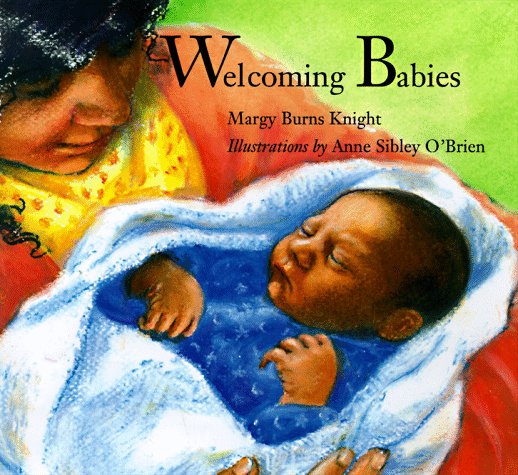
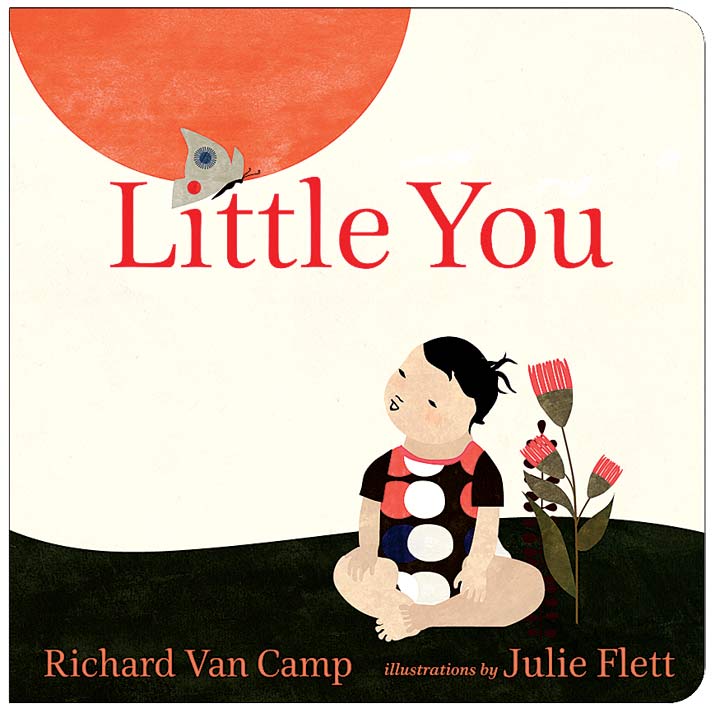
Our goal with the Diversity Baseline Survey is to establish a baseline that shows where we are now so we can start taking concrete steps to address the problem.The purpose is not to point fingers or to shame anyone. The purpose is to find out exactly who we are and where we are, as an industry, at this moment in time. You've seen the numbers: while more than 50% of our entering kindergarteners are children of color, only around 10% of our books depict children of color.
In other words, somehow, despite all kinds of good intentions, this is where we are now:
Our children's books don't look like our children.
Actual numbers telling us what we're working with now is the only way we can figure out how we need to address the complex, intertwining systems that result in the current outcome. We need to know what to address, where and how.
Changing systems and institutions is like turning around enormous ships at sea: it doesn't happen without intense, persistent action by many people armed with specific information, goals and targets. We're all invested in making a change to address this challenge.
Why does this matter to me, personally?
- I was raised in South Korea as the daughter of medical missionaries. From the example of my parents who chose to work, play and live side-by-side with Korean colleagues, friends, and extended family, and from countless Koreans who welcomed me as a guest, a friend and a little sister, I absorbed the deep knowledge that across all our differences, we are one human family. I want books that reflect this truth.
- As I became a published author and illustrator, I longed to portray the beauty and glory of human difference. My books had to be diverse; that was the world I knew.
- When our daughter joined our family by adoption from Korea, and my husband and I were raising her and her white brother, I knew that having diverse books, lots of them, depicting all kinds of people, was essential to their wellbeing and development of healthy identities. In different ways, they both needed to see both themselves - and others - reflected in the books they read.
- I've been following the research of neuroscientists on the development of unconscious bias. I work with a colleague, Professor Krista Aronson of Bates College, whose research demonstrates that books portraying positive relationships across race can actually reduce prejudice.
- Some recent studies show that we may be able to interrupt the development of racial bias in infants by creating positive associations with faces of racial groups they're unfamiliar with. The researchers used photos, but why not picture book illustrations?
- Now I am participating in raising our biracial grandson and my passion for and delight in sharing diverse books has only increased.
Ensuring that our children have access to books in which they can see themselves and others reflected is our essential task. It won't be easy, but we can do this.
Please sign up for the survey, and let's all get to work, together.
"The literature of America should reflect the children of America."
Lucille Clifton